A: Hydroplaning is a function of tire footprint, all other things being equal, a tire with a wider footprint will tend to hydroplane more. If the low-profile tire is wider, it will indeed hydroplane more easily. If the tire is low-profile, but has the same tread width, no.
Search This Blog
Custom Search
Mar 15, 2012
Which Tires Hydroplane More Easily?
Q: Do low profile tires tend to hydroplane more than regular tires?
A: Hydroplaning is a function of tire footprint, all other things being equal, a tire with a wider footprint will tend to hydroplane more. If the low-profile tire is wider, it will indeed hydroplane more easily. If the tire is low-profile, but has the same tread width, no.
Mar 14, 2012
Synthetic vs. Conventional Motor Oil
Q: How do you tell the difference between synthetic oil and conventional motor oil? A not so honest service station in my area was found adding regular motor oil, yet charged people for the more expensive synthetic oil. Please let me know if there is a simple way of telling the difference. I am quite sure the reading public would like to know this also.
A: The short answer is there’s no way to tell without sending a sample out for a chemical analysis.
My only suggestion is to watch the technician as he adds product.
A: The short answer is there’s no way to tell without sending a sample out for a chemical analysis.
My only suggestion is to watch the technician as he adds product.
Mar 13, 2012
How To Refill Nitrogen-Filled Tires
A: Most places that fill tires with N2 will top them off for free. I like the aerosol can idea, though. No one is doing that that I’m aware of.
Mar 12, 2012
How To Remove Tree Sap From Car Hood
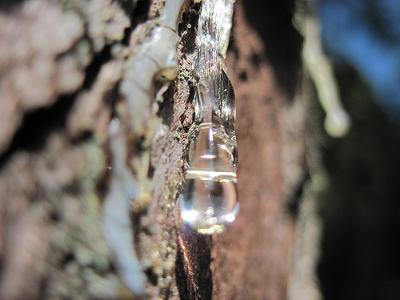
Q: I'm forced to park my car under a tree. In the early spring tree sap drops on my roof and hood. Commercial products claiming to remove these stains don't even come close to working. Cleaner waxes are simply a waste of time and effort. Any ideas?
A: Aside from moving the car? Try a car cover? If Bug & Tar remover doesn’t cut it, you’re not going to find anything more aggressive that won’t damage the paint.
Mar 11, 2012
Why Does Water Collect Inside My Car's Headlights?
Q: My headlights are always collecting water inside. The dealer says he can replace them, but they’re very expensive, and he wouldn’t guarantee that the new headlights wouldn’t collect water also. I took out the headlamp assemblies and coated all of the seams between the clear lens and the back with bathtub caulk, and gooped up the rubber dingus that goes over the headlight wires with a lot more caulk, but it didn’t help a bit.
A: Let’s examine why there is water inside the lamp assemblies in the first place. As the outside temperature goes down and your nice warm headlamps cool off (either from being in the sun or just from being turned on), cooler, moister outside air trickles into the housings. The housings are vented top and bottom to allow for pressure differences, or they would quickly crack and fail. When the clear plastic lens is even a little bit cooler than the air inside the housing, droplets of moisture will condense on the inside of the lens. That’s normal. When the outside temperatures come back up in the morning, the moisture will evaporate.
Some vehicles don’t vent as well as others. Some drivers keep their cars parked in shady, damp areas or in cool, damp underground parking structures. And the moisture collects not as tiny droplets of mist but as what looks more like raindrops, and can even run down the glass and pool inside the housing.
Check to see if there’s a Technical Service Bulletin for your make and model of vehicle. If so, there may be a retrofit housing or an upgrade to the venting system. If not, you’re on your own. The first thing to try, if all you have is droplets, is to leave your headlights on while driving for a couple of hours, forcing the moisture off. If you have a spoonful or more splashing around, you may need to remove the housing and dry it out. Pour off the excess water, then add a few ounces of rubbing alcohol to the housing, sloshing it around and pouring it out. Repeat. Let the housing dry for a couple of hours in the sun or inside a nice warm house, preferably in some air that’s moving. Check that any vents aren’t plugged with spider eggs or mud. Install the housing and try to park facing south.
A: Let’s examine why there is water inside the lamp assemblies in the first place. As the outside temperature goes down and your nice warm headlamps cool off (either from being in the sun or just from being turned on), cooler, moister outside air trickles into the housings. The housings are vented top and bottom to allow for pressure differences, or they would quickly crack and fail. When the clear plastic lens is even a little bit cooler than the air inside the housing, droplets of moisture will condense on the inside of the lens. That’s normal. When the outside temperatures come back up in the morning, the moisture will evaporate.
Some vehicles don’t vent as well as others. Some drivers keep their cars parked in shady, damp areas or in cool, damp underground parking structures. And the moisture collects not as tiny droplets of mist but as what looks more like raindrops, and can even run down the glass and pool inside the housing.
Check to see if there’s a Technical Service Bulletin for your make and model of vehicle. If so, there may be a retrofit housing or an upgrade to the venting system. If not, you’re on your own. The first thing to try, if all you have is droplets, is to leave your headlights on while driving for a couple of hours, forcing the moisture off. If you have a spoonful or more splashing around, you may need to remove the housing and dry it out. Pour off the excess water, then add a few ounces of rubbing alcohol to the housing, sloshing it around and pouring it out. Repeat. Let the housing dry for a couple of hours in the sun or inside a nice warm house, preferably in some air that’s moving. Check that any vents aren’t plugged with spider eggs or mud. Install the housing and try to park facing south.
Subscribe to:
Posts (Atom)